Understanding Digital Marketing Basics

Digital marketing is all about connecting with people online. It’s like having a friendly chat with potential customers through the internet. We use various online tools and platforms to share information about our products or services, build relationships, and hopefully make some sales along the way.
I remember when I first heard about digital marketing. I thought it was just about posting on social media and sending emails. Boy, was I wrong! It’s so much more than that. It’s a whole world of exciting possibilities to reach people in ways we never could before.
In today’s world, digital marketing is super important. Think about it – how often do you use your smartphone or computer to look up information, shop, or connect with friends? That’s exactly why businesses need to be where their customers are – online.
I’ve seen small local businesses grow into national brands just by using smart digital marketing strategies. It’s amazing how a well-planned online presence can open up so many opportunities.
Traditional marketing is like casting a wide net and hoping to catch some fish. Digital marketing, on the other hand, is more like using a fishing rod with the right bait for the exact fish you want to catch.
Here are some key differences:
- Reach: Digital marketing can reach a global audience, while traditional marketing is often limited to a local area.
- Interaction: Online marketing allows for two-way communication. Customers can ask questions and give feedback instantly.
- Cost: Digital marketing can be more cost-effective, especially for small businesses.
- Measurement: It’s easier to track and measure the results of digital marketing efforts.
Essential Digital Marketing Channels
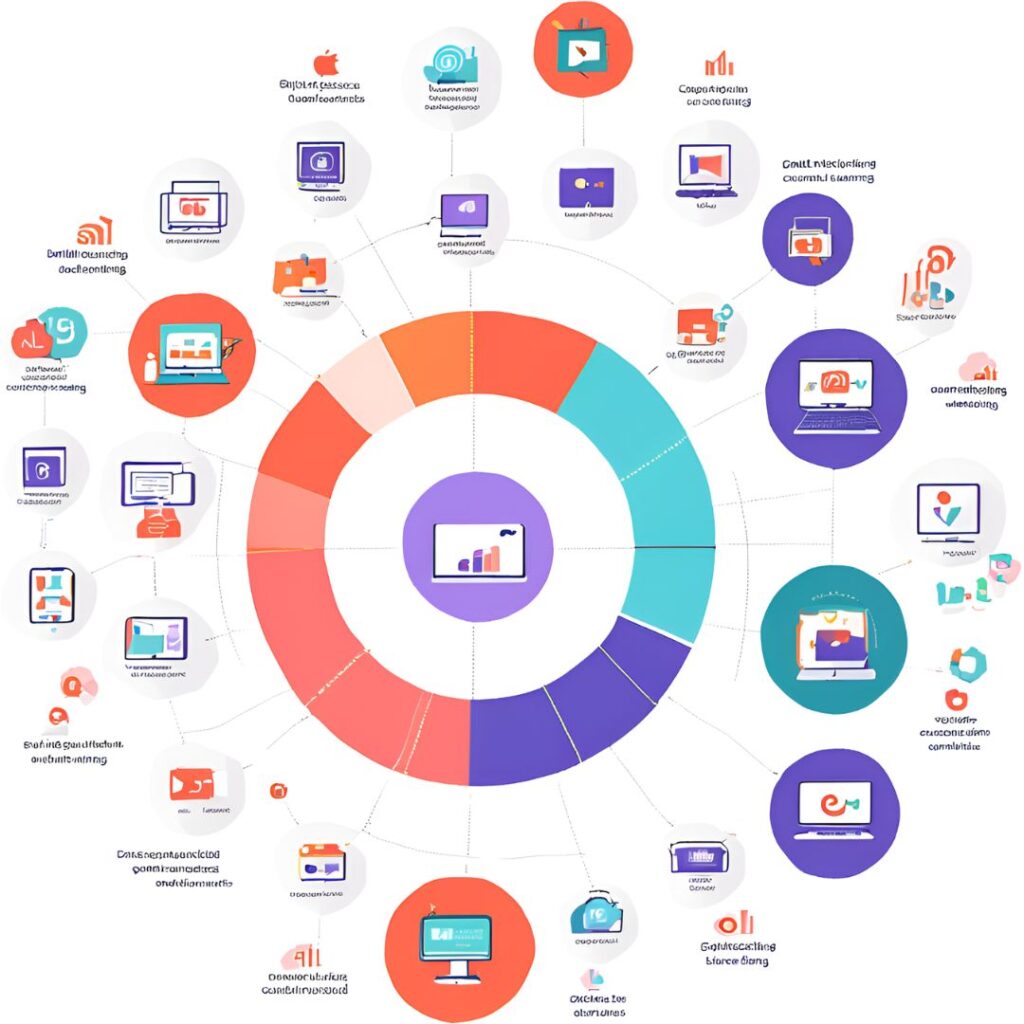
SEO is all about making your website show up when people search for things related to your business. It’s like making sure your store is on the main street where everyone can see it, but in the digital world.
I once helped a friend optimize her website for her handmade jewelry business. We focused on using the right keywords and creating quality content. Within a few months, her site started appearing on the first page of Google for several relevant searches. The increase in traffic and sales was incredible!
Social media marketing is like attending a big party where all your potential customers are hanging out. It’s a chance to show your brand’s personality, share useful information, and build relationships.
Each platform has its own vibe. For example, LinkedIn is like a professional networking event, while Instagram is more like a visual art gallery. The key is to choose the platforms where your target audience spends their time and tailor your content to fit.
Email marketing might seem old school, but it’s still one of the most effective digital marketing channels. It’s like having a direct line to your customers’ inboxes.
The trick is to send emails that people actually want to read. Nobody likes spam! I’ve found that sharing helpful tips, exclusive offers, and personalized content works well. It’s all about adding value to your subscribers’ lives.
Content Marketing Strategies
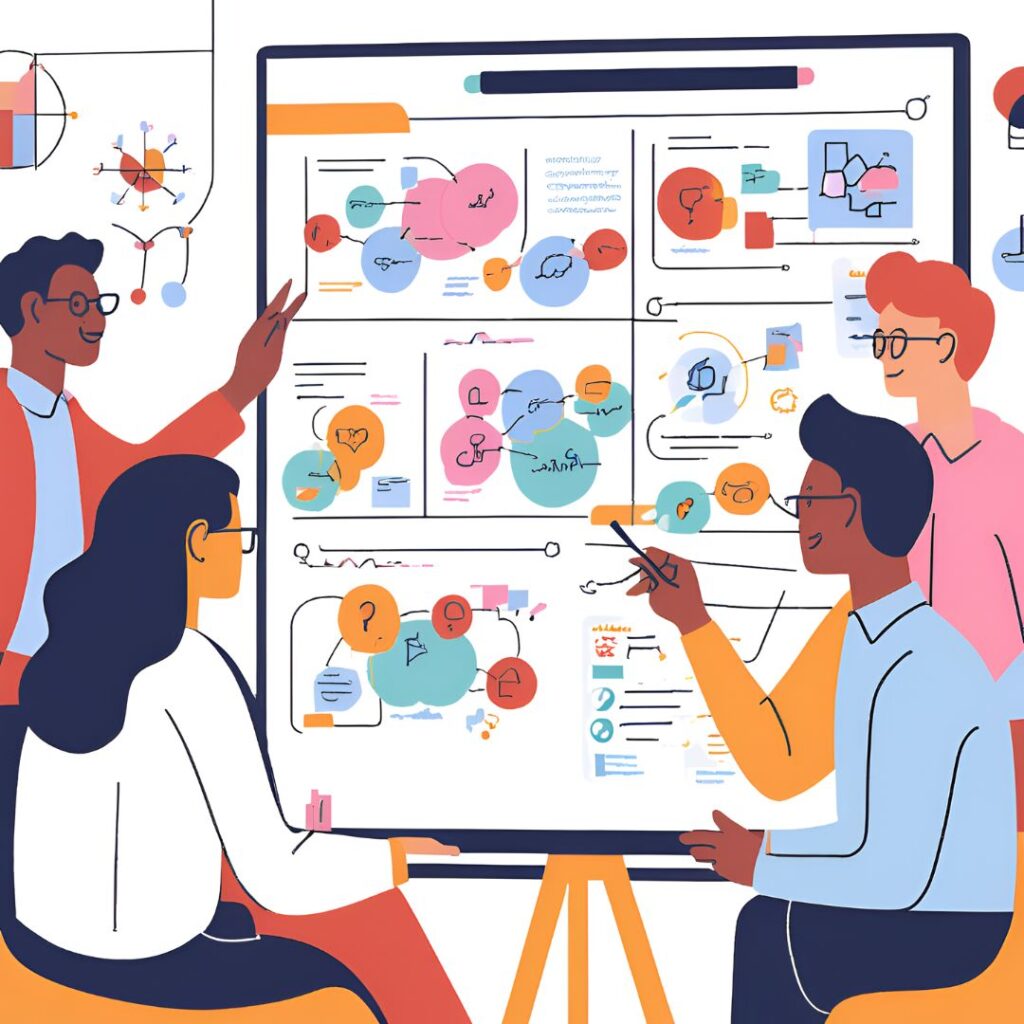
Content is king in the digital world. But it’s not just about creating any content – it needs to be valuable and relevant to your audience.
Think about what your customers want to know. What problems can you help them solve? What interesting information can you share? When you focus on creating content that truly helps your audience, they’ll keep coming back for more.
There are so many types of content you can create. Here are a few popular ones:
- Blog posts: Great for sharing in-depth information and improving your SEO.
- Videos: Perfect for demonstrating products or explaining complex topics.
- Infographics: Ideal for presenting data or processes in a visually appealing way.
I love mixing things up and trying different content types. It keeps things interesting for both me and my audience.
A content calendar is like a roadmap for your content creation. It helps you plan what you’re going to post and when.
I use a simple spreadsheet to plan my content. I include the topic, type of content, planned publication date, and any relevant notes. It helps me stay organized and ensures I’m consistently putting out new content.
Paid Advertising in Digital Marketing

Pay-per-click (PPC) advertising
PPC advertising is like putting up a billboard, but you only pay when someone actually stops to look at it. It’s a great way to get quick results, especially for new businesses or product launches.
Google Ads is the most popular platform for PPC. You bid on keywords related to your business, and your ad shows up when people search for those terms. The best part? You only pay when someone clicks on your ad.
Display ads are the colorful banners you see on websites. They’re great for building brand awareness and reaching people who might not be actively searching for your products.
I once ran a display ad campaign for a client’s new app. We created eye-catching banners and targeted websites that our ideal users frequently visited. The campaign significantly boosted app downloads and helped establish the brand in a competitive market.
Social media advertising lets you reach specific groups of people based on their interests, behaviors, and demographics. It’s like being able to choose exactly who sees your billboard.
Each social platform offers different advertising options. For example, Facebook has a wide range of ad formats and targeting options, while LinkedIn is great for B2B advertising.
Analytics and Performance Measurement

KPIs are like the scorecard for your digital marketing efforts. They help you understand what’s working and what’s not.
Some important KPIs to track include:
- Website traffic
- Conversion rate
- Cost per lead
- Return on ad spend
- Social media engagement
The specific KPIs you focus on will depend on your goals. For example, if your main goal is to increase brand awareness, you might pay more attention to metrics like reach and impressions.
Google Analytics is a powerful tool that gives you insights into your website traffic and user behavior. It’s like having a window into how people interact with your site.
I remember feeling overwhelmed when I first started using Google Analytics. But once I got the hang of it, I was amazed by the wealth of information it provides. You can see where your traffic is coming from, which pages are most popular, how long people stay on your site, and so much more.
A/B testing is like being a scientist in the world of digital marketing. You create two versions of something (like an email subject line or a landing page) and see which one performs better.
I love A/B testing because it takes the guesswork out of decision-making. Instead of going with your gut, you can let the data guide you. Over time, these small improvements can add up to significant gains in your marketing performance.
Building an Effective Digital Marketing Strategy

SMART goals are Specific, Measurable, Achievable, Relevant, and Time-bound. They’re like a roadmap for your digital marketing journey.
For example, instead of saying “I want to increase website traffic,” a SMART goal would be “I want to increase organic website traffic by 25% in the next 6 months.”
Knowing your target audience is crucial in digital marketing. It’s like knowing who you’re talking to in a conversation.
Creating buyer personas can help you visualize and understand your ideal customers. These are fictional representations of your target audience, complete with demographics, interests, pain points, and behaviors.
There’s no one-size-fits-all approach to digital marketing. The right mix of tactics will depend on your goals, target audience, and resources.
I always recommend starting small and gradually expanding your efforts. You might begin with a simple content marketing strategy and social media presence, then add in email marketing and PPC advertising as you grow.
Summary
Digital marketing is an exciting and ever-evolving field. It offers endless opportunities to connect with your audience and grow your business. Remember, the key to success is to stay curious, keep learning, and always focus on providing value to your customers.